




logo
partnerships Contact

Home / Blog

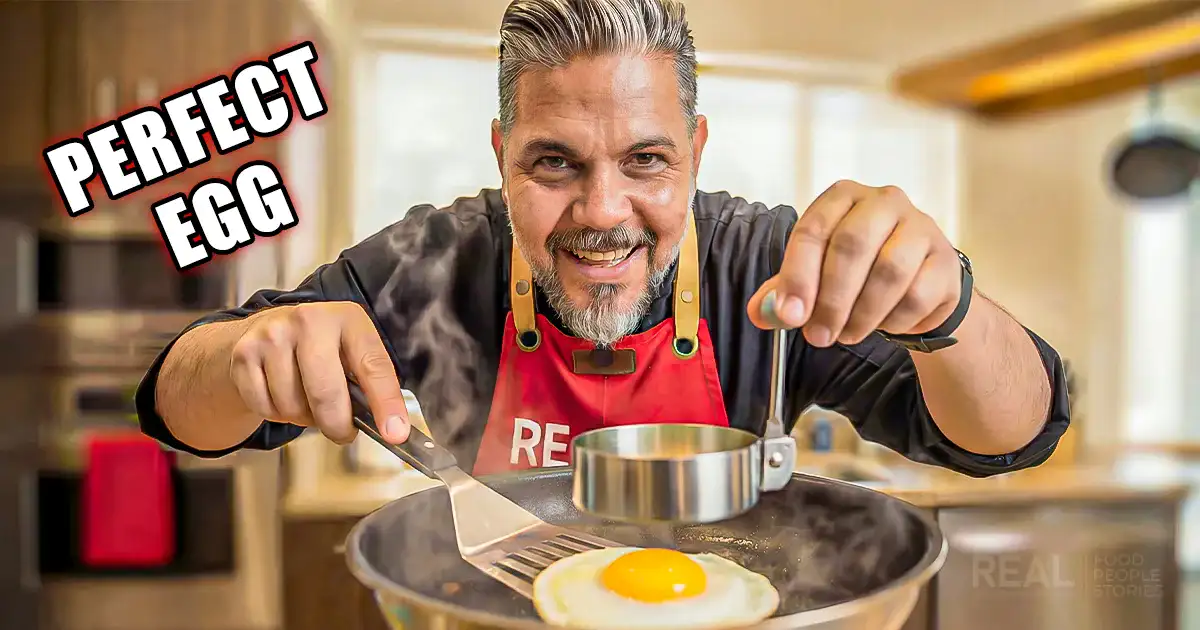
Can’t Fry a Perfect Egg? Missing One Tool

If your fried eggs always spread, stick, or lose their shape, you’re not alone. Many home cooks struggle because they miss two essentials: proper heat control and a simple stainless-steel egg ring that keeps the egg contained from the very first second.

Mexican Cooking Basics

5 min. read

Why Fried Eggs Go Wrong (Even for Good Cooks)

Most people assume frying an egg is “basic.”
In reality, it’s one of the most unforgiving things you can cook.

Here’s why eggs fail so often:

  • The pan is too hot

  • The pan isn’t hot enough

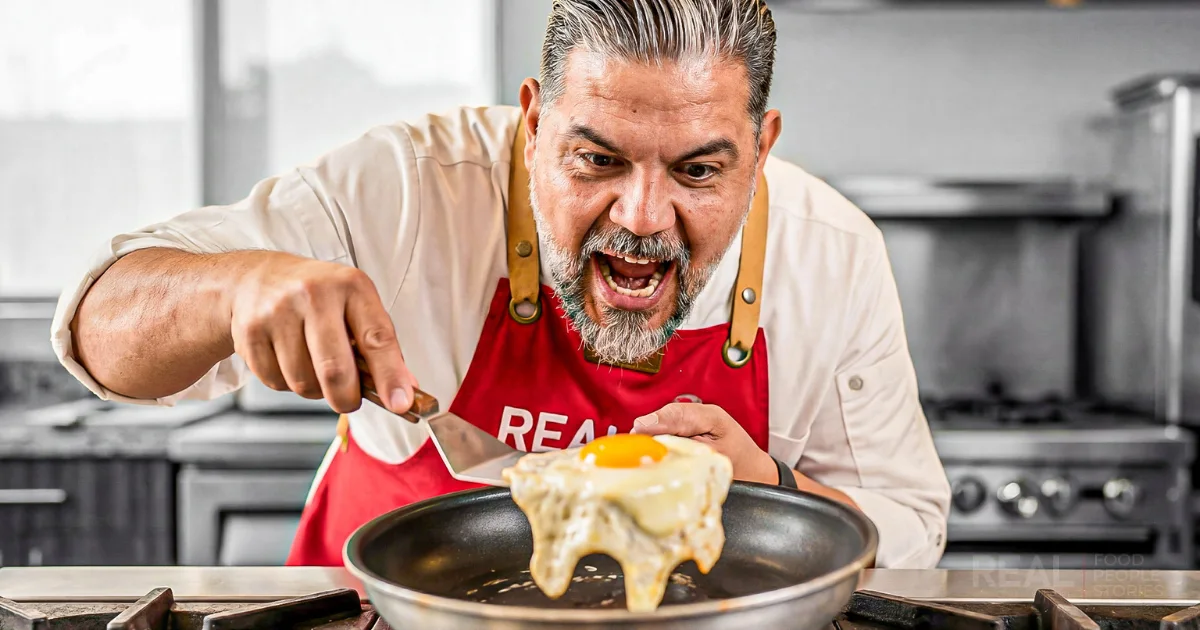
  • The egg spreads before it sets

  • The whites cook unevenly

  • The edges burn before the center firms up

None of this means you’re bad at cooking.
It just means eggs react fast, and they need structure.
The Real Secret to a Perfect Fried Egg

A perfect fried egg needs two things working together:

  1. Controlled heat

  2. A defined shape from the start

Most people focus only on heat and completely ignore shape control.
That’s where things fall apart.

How to Fry a Perfect Egg (Step by Step)

Step 1: Start With the Right Pan  

A non-stick or well-seasoned stainless-steel pan works best.
Preheat it on medium-low heat, not high.

If the pan is smoking, it’s already too hot.

Step 2: Add Fat (Yes, Even Non-Stick)  

Butter or oil isn’t optional.
It prevents sticking and helps the whites cook evenly.

Let the fat warm up, don’t rush this step.

Step 3: Use a Stainless-Steel Egg Ring  

This is the game-changer.

A stainless-steel egg ring:

  • Keeps the egg from spreading

  • Helps the whites set evenly

  • Creates a clean, round shape

  • Makes flipping optional

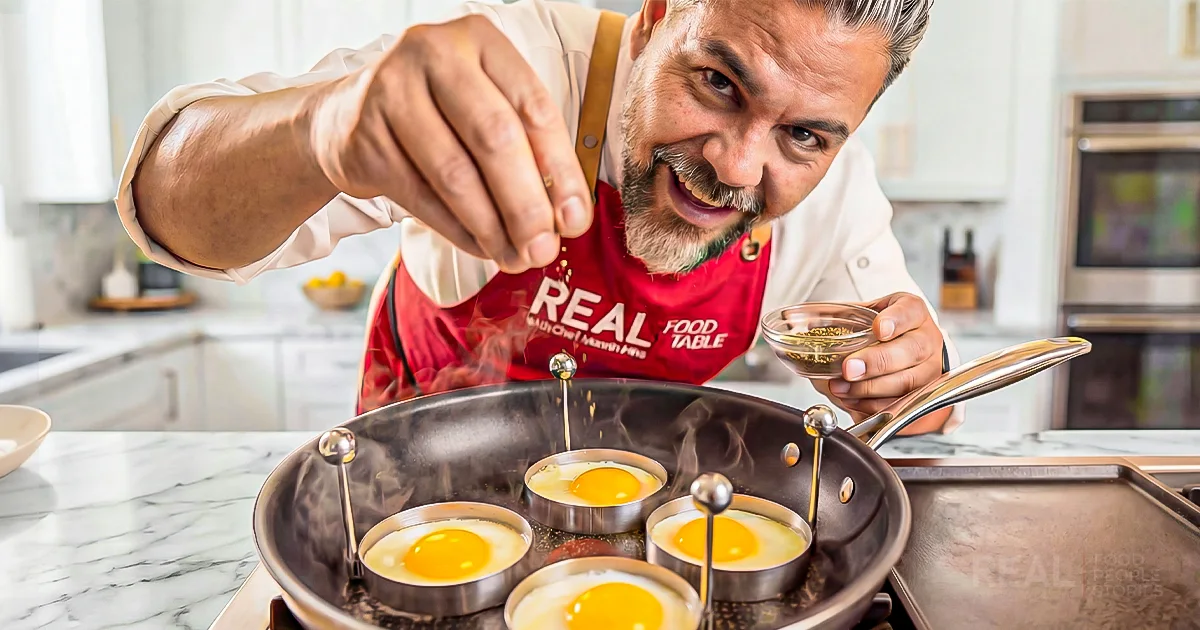
Place the ring in the pan before cracking the egg.
Lightly oil the inside of the ring.

Crack the egg directly into it.

Instant control. No chaos.

Step 4: Cover Briefly (Optional but Powerful)  

Covering the pan for 20–30 seconds traps steam.
This gently cooks the top without overcooking the bottom.

Perfect for sunny-side-up eggs.

Step 5: Remove the Ring & Finish  

Once the whites are set, lift the ring with tongs.
Let the egg finish naturally or flip if you prefer over-easy.

That’s it.

Best Way to Fry Eggs Without Them Spreading

If spreading is your main issue, this is the best setup:

  • Medium-low heat

  • Butter or oil

  • Stainless-steel egg ring

  • Patience for the first 30 seconds

The ring does the work before the egg has a chance to misbehave.
Can I Fry Eggs Without an Egg Ring?

Yes, but it’s harder.

Without a ring:

  • You rely entirely on perfect heat timing

  • The egg spreads instantly

  • Shape depends on pan angle and surface

An egg ring removes the guesswork.
That’s why restaurants use them.

Why Stainless Steel Is Better Than Silicone Rings

Silicone rings are popular, but they have drawbacks:

  • They insulate heat instead of distributing it

  • They can flex and leak

  • They don’t brown edges as well

Stainless-steel rings:

  • Heat evenly

  • Hold shape firmly

  • Release cleanly

  • Last forever

Simple tool. Professional result.

What Actually Matters

If your fried eggs never look the way you want, it’s not your fault.
You’re missing a small tool that solves a big problem.

With proper heat and a stainless-steel egg ring:

  • Eggs stay contained

  • Whites cook evenly

  • Yolks stay exactly where you want them

  • Breakfast stops being frustrating

Sometimes better cooking isn’t about skill,
it’s about using the right tool at the right moment.


What to read next

Your Kitchen Storage Habits Exposed

Mar 04, 2026 | 3 min. read

Read More
Home  >  Blog • 5 min. read

Can’t Fry a Perfect Egg? Missing One Tool

Team Logo
Mexican Cooking Basics
Last Update Feb 25, 2026

If your fried eggs always spread, stick, or lose their shape, you’re not alone. Many home cooks struggle because they miss two essentials: proper heat control and a simple stainless-steel egg ring that keeps the egg contained from the very first second.

Email Email Hover Facebook Facebook Hover Copy Link Copy Link Hover

Why Fried Eggs Go Wrong (Even for Good Cooks)

Most people assume frying an egg is “basic.”
In reality, it’s one of the most unforgiving things you can cook.

Here’s why eggs fail so often:

  • The pan is too hot

  • The pan isn’t hot enough

  • The egg spreads before it sets

  • The whites cook unevenly

  • The edges burn before the center firms up

None of this means you’re bad at cooking.
It just means eggs react fast, and they need structure.

The Real Secret to a Perfect Fried Egg

A perfect fried egg needs two things working together:

  1. Controlled heat

  2. A defined shape from the start

Most people focus only on heat and completely ignore shape control.
That’s where things fall apart.

How to Fry a Perfect Egg (Step by Step)

Step 1: Start With the Right Pan  

A non-stick or well-seasoned stainless-steel pan works best.
Preheat it on medium-low heat, not high.

If the pan is smoking, it’s already too hot.

Step 2: Add Fat (Yes, Even Non-Stick)  

Butter or oil isn’t optional.
It prevents sticking and helps the whites cook evenly.

Let the fat warm up, don’t rush this step.

Step 3: Use a Stainless-Steel Egg Ring  

This is the game-changer.

A stainless-steel egg ring:

  • Keeps the egg from spreading

  • Helps the whites set evenly

  • Creates a clean, round shape

  • Makes flipping optional

Place the ring in the pan before cracking the egg.
Lightly oil the inside of the ring.

Crack the egg directly into it.

Instant control. No chaos.

Step 4: Cover Briefly (Optional but Powerful)  

Covering the pan for 20–30 seconds traps steam.
This gently cooks the top without overcooking the bottom.

Perfect for sunny-side-up eggs.

Step 5: Remove the Ring & Finish  

Once the whites are set, lift the ring with tongs.
Let the egg finish naturally or flip if you prefer over-easy.

That’s it.

Best Way to Fry Eggs Without Them Spreading

If spreading is your main issue, this is the best setup:

  • Medium-low heat

  • Butter or oil

  • Stainless-steel egg ring

  • Patience for the first 30 seconds

The ring does the work before the egg has a chance to misbehave.

Can I Fry Eggs Without an Egg Ring?

Yes, but it’s harder.

Without a ring:

  • You rely entirely on perfect heat timing

  • The egg spreads instantly

  • Shape depends on pan angle and surface

An egg ring removes the guesswork.
That’s why restaurants use them.

Why Stainless Steel Is Better Than Silicone Rings

Silicone rings are popular, but they have drawbacks:

  • They insulate heat instead of distributing it

  • They can flex and leak

  • They don’t brown edges as well

Stainless-steel rings:

  • Heat evenly

  • Hold shape firmly

  • Release cleanly

  • Last forever

Simple tool. Professional result.

What Actually Matters

If your fried eggs never look the way you want, it’s not your fault.
You’re missing a small tool that solves a big problem.

With proper heat and a stainless-steel egg ring:

  • Eggs stay contained

  • Whites cook evenly

  • Yolks stay exactly where you want them

  • Breakfast stops being frustrating

Sometimes better cooking isn’t about skill,
it’s about using the right tool at the right moment.


Real Cooking
Starts Here

Private chef dining and catering for gatherings, events, and special nights together.


What to read next
Your Kitchen Storage Habits Exposed
Read More
You’re Storing These Foods All Wrong
Read More
Perfect Barbacoa Without a BBQ? Yes, Really
Read More