




logo
partnerships Contact

Home / Blog

You’re Storing These Foods All Wrong

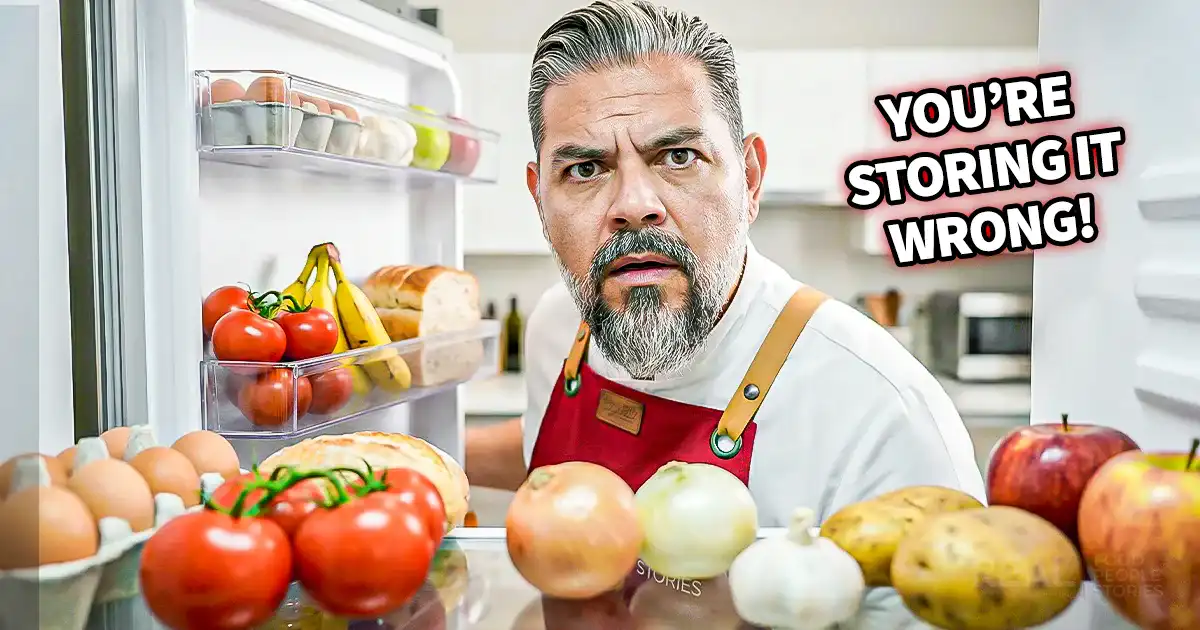
Think your fridge is protecting everything you buy? Not quite. Some foods stay fresher in the cold, while others lose flavor, texture, and quality the moment they’re chilled. Smart storage isn’t complicated, but the wrong move can quietly ruin great ingredients. Let’s fix that.

Mexican Cooking Basics

3 min. read

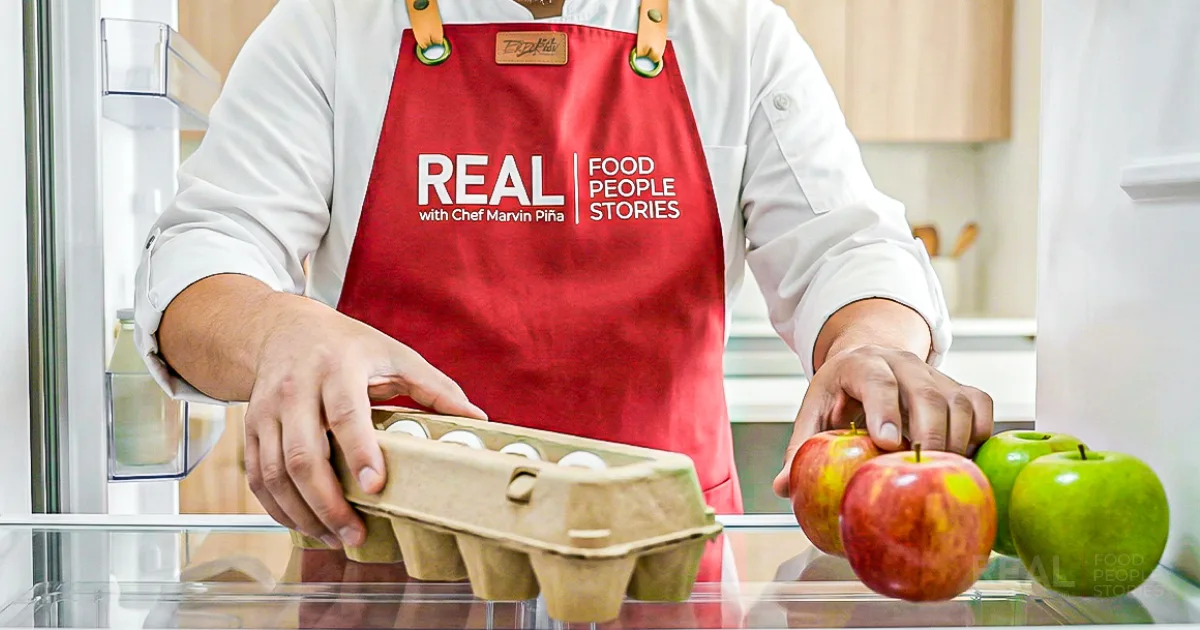
🥚 Eggs: Respect the Process

In many supermarkets, eggs are washed before sale, which removes their natural protective layer. That’s why they belong in the fridge. Keeping them cold maintains safety and extends freshness.

Store them in their original carton to prevent odor absorption and moisture loss.

Good ingredients deserve proper handling.


🍎 Apples: Keep the Crunch

Apples release natural gases that speed up ripening, both theirs and nearby produce. Refrigeration slows that process and keeps them crisp.

Room temperature? They soften quickly.

Cold storage keeps that satisfying bite.

🍅 Tomatoes: Flavor Over Fridge

Here’s where most people go wrong. Cold temperatures damage tomato cell structure, leaving them mealy and dull.

A tomato belongs on the counter, away from sunlight. If you care about taste, let it breathe.

Flavor always comes first.
🍌 Bananas: Let Nature Work

Bananas ripen best at room temperature. The fridge slows ripening but darkens the peel and alters texture.

Keep them out until fully ripe. If they’re getting too soft, refrigeration can buy you a little time, but expect the peel to brown.

Ripening is part of the story.

🥔 Potatoes: Keep Them Cool, Not Cold

Refrigeration converts starch into sugar. That’s why fridge-stored potatoes taste oddly sweet and cook unevenly.

Store them in a cool, dark, ventilated space. Never sealed in plastic.

Good cooking starts with good storage.

🍞 Bread: Cold Dries It Out

The fridge speeds up staling. Bread loses softness faster in cold air.

Keep it on the counter in a bread box or airtight container. For longer storage, freeze it.

Simple rule: counter or freezer, never fridge.

🧄 Onions & Garlic: Air Is Key

Whole onions and garlic need airflow and dryness. Refrigeration introduces moisture and encourages mold.

Once chopped, though, they go in the fridge in airtight containers.

Whole stays out. Cut goes in.
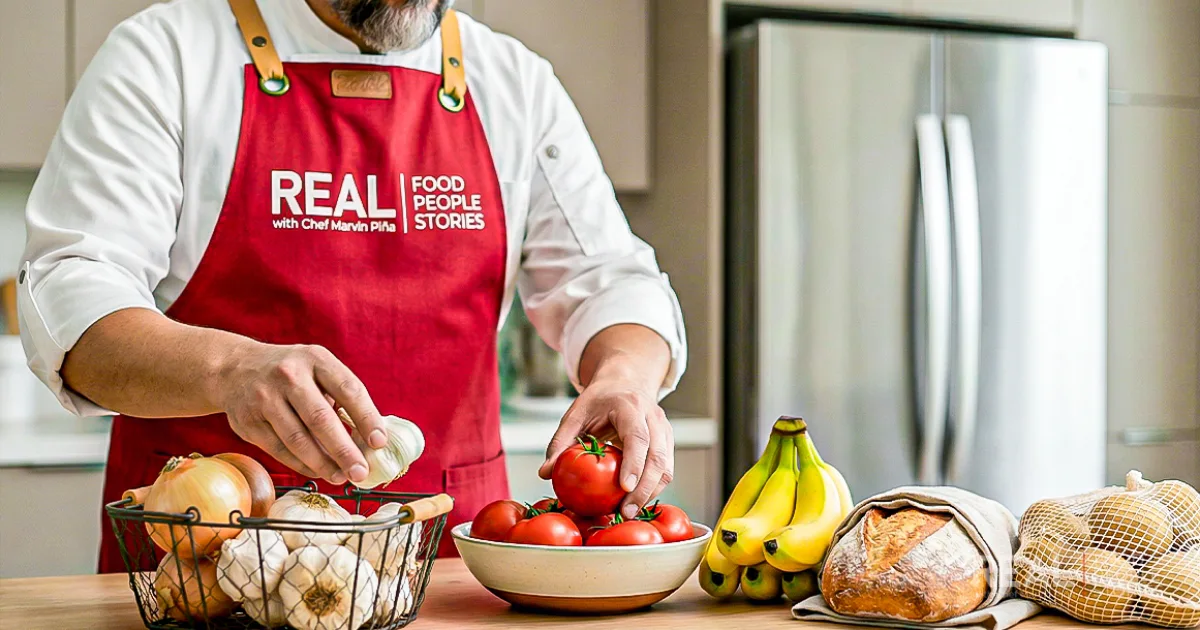
Quick Guide

Refrigerate:
Eggs, Apples

Keep Out:
Tomatoes, Bananas, Potatoes, Bread, Whole Onions & Garlic


When you respect your ingredients, they respect your cooking. Small details like storage make the difference between average and unforgettable.

— Chef Marvin Piña
Real Food. Real People. Real Stories.


What to read next

Your Kitchen Storage Habits Exposed

Mar 04, 2026 | 3 min. read

Read More
Home  >  Blog • 3 min. read

You’re Storing These Foods All Wrong

Team Logo
Mexican Cooking Basics
Last Update Feb 18, 2026

Think your fridge is protecting everything you buy? Not quite. Some foods stay fresher in the cold, while others lose flavor, texture, and quality the moment they’re chilled. Smart storage isn’t complicated, but the wrong move can quietly ruin great ingredients. Let’s fix that.

Email Email Hover Facebook Facebook Hover Copy Link Copy Link Hover

🥚 Eggs: Respect the Process

In many supermarkets, eggs are washed before sale, which removes their natural protective layer. That’s why they belong in the fridge. Keeping them cold maintains safety and extends freshness.

Store them in their original carton to prevent odor absorption and moisture loss.

Good ingredients deserve proper handling.


View this post on Instagram


A post shared by Marvin Piña (@chef_marvin_pina)

🍎 Apples: Keep the Crunch

Apples release natural gases that speed up ripening, both theirs and nearby produce. Refrigeration slows that process and keeps them crisp.

Room temperature? They soften quickly.

Cold storage keeps that satisfying bite.

🍅 Tomatoes: Flavor Over Fridge

Here’s where most people go wrong. Cold temperatures damage tomato cell structure, leaving them mealy and dull.

A tomato belongs on the counter, away from sunlight. If you care about taste, let it breathe.

Flavor always comes first.

🍌 Bananas: Let Nature Work

Bananas ripen best at room temperature. The fridge slows ripening but darkens the peel and alters texture.

Keep them out until fully ripe. If they’re getting too soft, refrigeration can buy you a little time, but expect the peel to brown.

Ripening is part of the story.

🥔 Potatoes: Keep Them Cool, Not Cold

Refrigeration converts starch into sugar. That’s why fridge-stored potatoes taste oddly sweet and cook unevenly.

Store them in a cool, dark, ventilated space. Never sealed in plastic.

Good cooking starts with good storage.

🍞 Bread: Cold Dries It Out

The fridge speeds up staling. Bread loses softness faster in cold air.

Keep it on the counter in a bread box or airtight container. For longer storage, freeze it.

Simple rule: counter or freezer, never fridge.

🧄 Onions & Garlic: Air Is Key

Whole onions and garlic need airflow and dryness. Refrigeration introduces moisture and encourages mold.

Once chopped, though, they go in the fridge in airtight containers.

Whole stays out. Cut goes in.

Quick Guide

Refrigerate:
Eggs, Apples

Keep Out:
Tomatoes, Bananas, Potatoes, Bread, Whole Onions & Garlic


When you respect your ingredients, they respect your cooking. Small details like storage make the difference between average and unforgettable.

— Chef Marvin Piña
Real Food. Real People. Real Stories.


Real Cooking
Starts Here

Private chef dining and catering for gatherings, events, and special nights together.


What to read next
Your Kitchen Storage Habits Exposed
Read More
Can’t Fry a Perfect Egg? Missing One Tool
Read More
Perfect Barbacoa Without a BBQ? Yes, Really
Read More