
 30 min.
 Medium
 Medium
Spaghetti carbonara is one of the most iconic pasta dishes from Rome, Italy. The authentic recipe is surprisingly simple and uses only a few ingredients. Contrary to many modern versions, traditional carbonara does NOT contain cream. The creamy texture comes from the emulsification of eggs, Pecorino Romano cheese, pasta starch, and guanciale fat.
 SCROLL DOWN
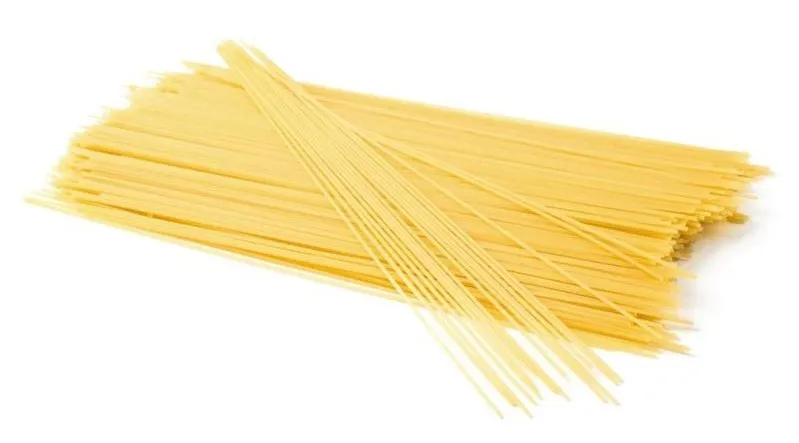 Spaghetti
(400 g) spaghetti
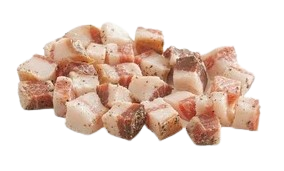 Guanciale
(150 g) guanciale, cut into small strips or cubes (pancetta may be used as a substitute if guanciale is unavailable)
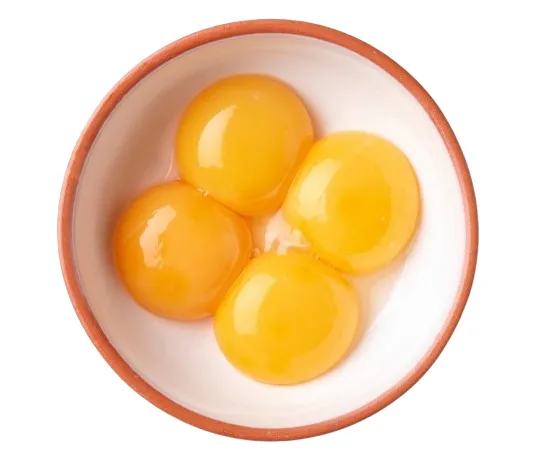 Egg yolk
4 egg yolks
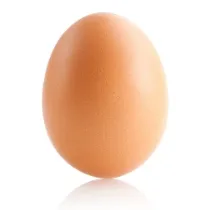 Egg
Egg
1 whole egg
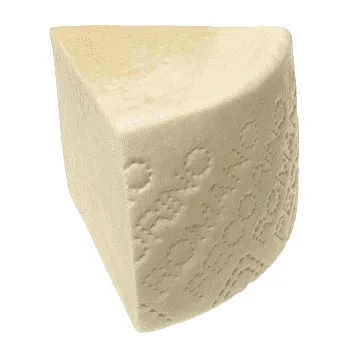 Pecorino romano cheese
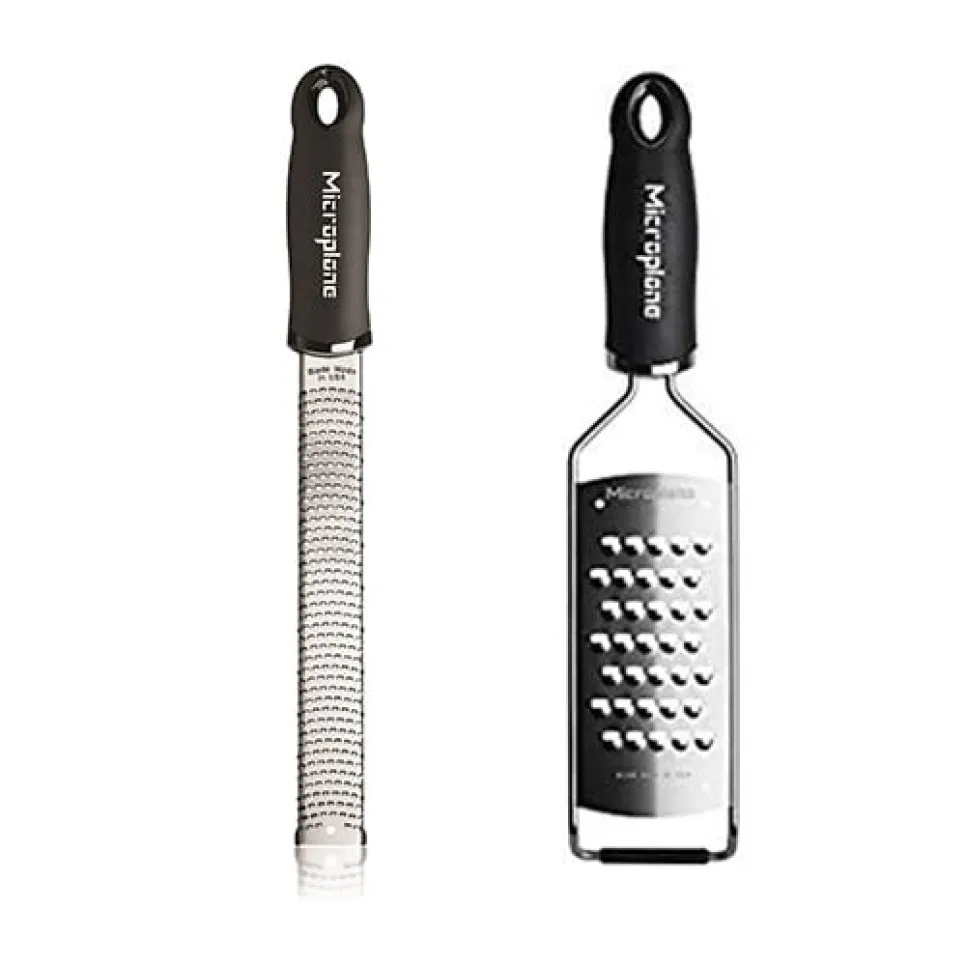
(120 g) Pecorino Romano cheese, finely grated
 Ground black pepper
1 teaspoon freshly ground black pepper
 Salt
Salt
Salt for the pasta water
30 min.
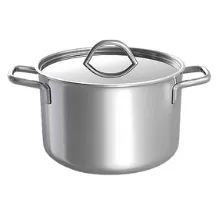
Fill a large pot with about 4 liters of water. Add 1 tablespoon of salt. Bring the water to a rolling boil. The water should taste slightly salty like the sea.
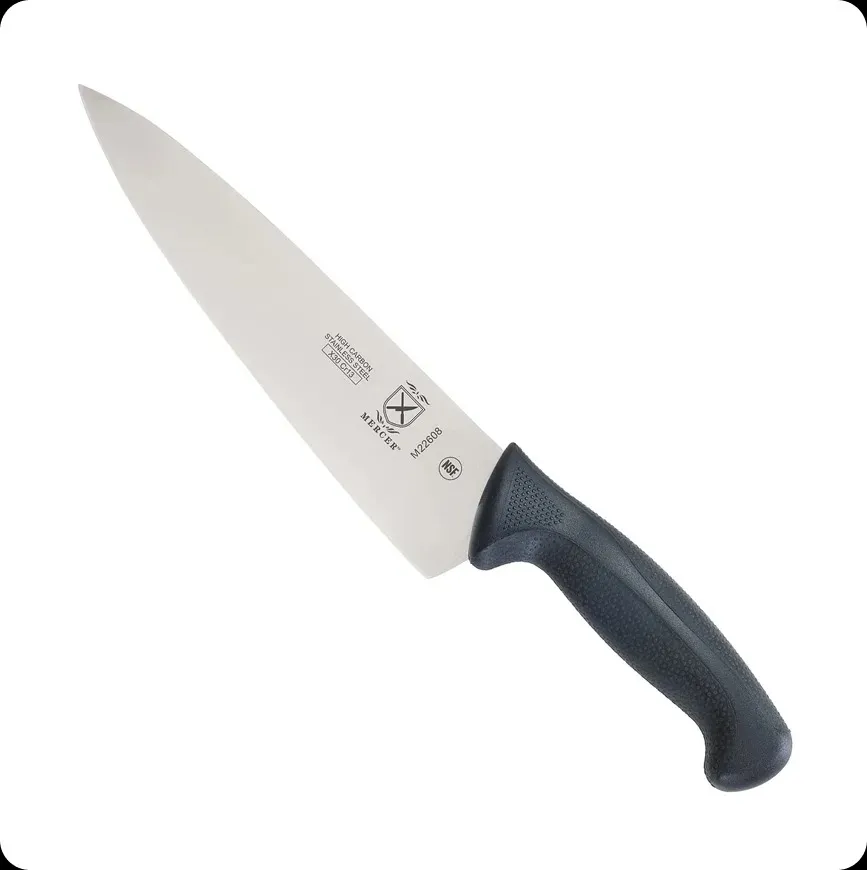
Cut the guanciale into small strips or cubes. Place it in a cold skillet. Cook over medium heat for 5–7 minutes. The guanciale should: Render its fat, become golden, and crispy. No oil is needed because the fat from the guanciale will render naturally. Remove from heat once crispy.
Add the spaghetti to the boiling water. Cook until al dente, about 1 minute less than the package instructions. Before draining, reserve 1 cup of pasta water. This starchy water will help create the sauce.
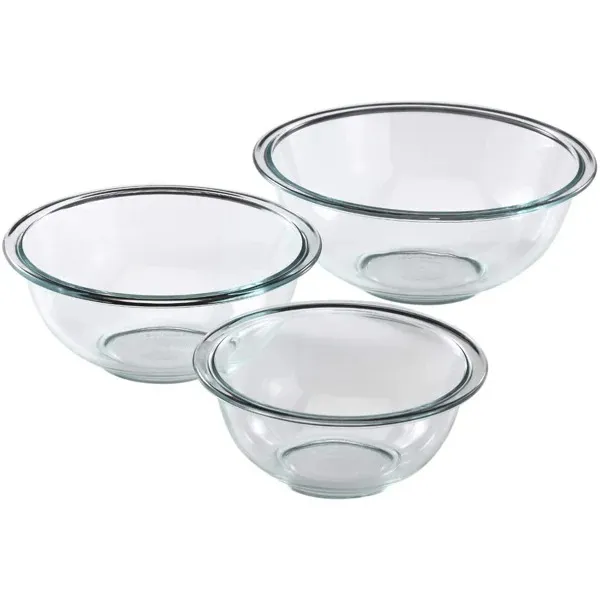
In a mixing bowl, add 4 egg yolks and 1 whole egg. Add the grated Pecorino Romano cheese. Add the black pepper. Mix until a thick creamy paste forms.
Return the skillet with the guanciale to low heat. Add the drained spaghetti. Toss to coat the pasta with the rendered guanciale fat.
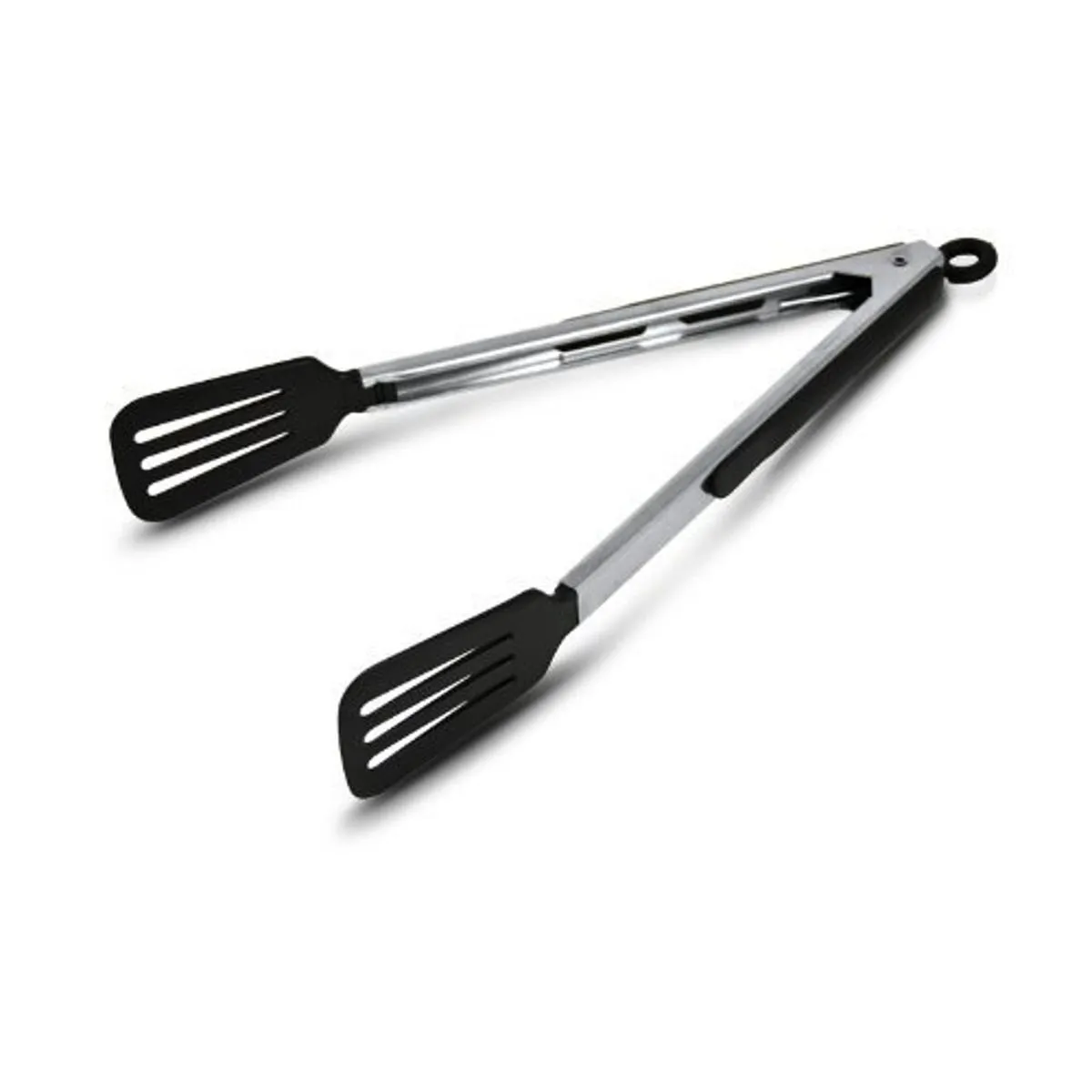
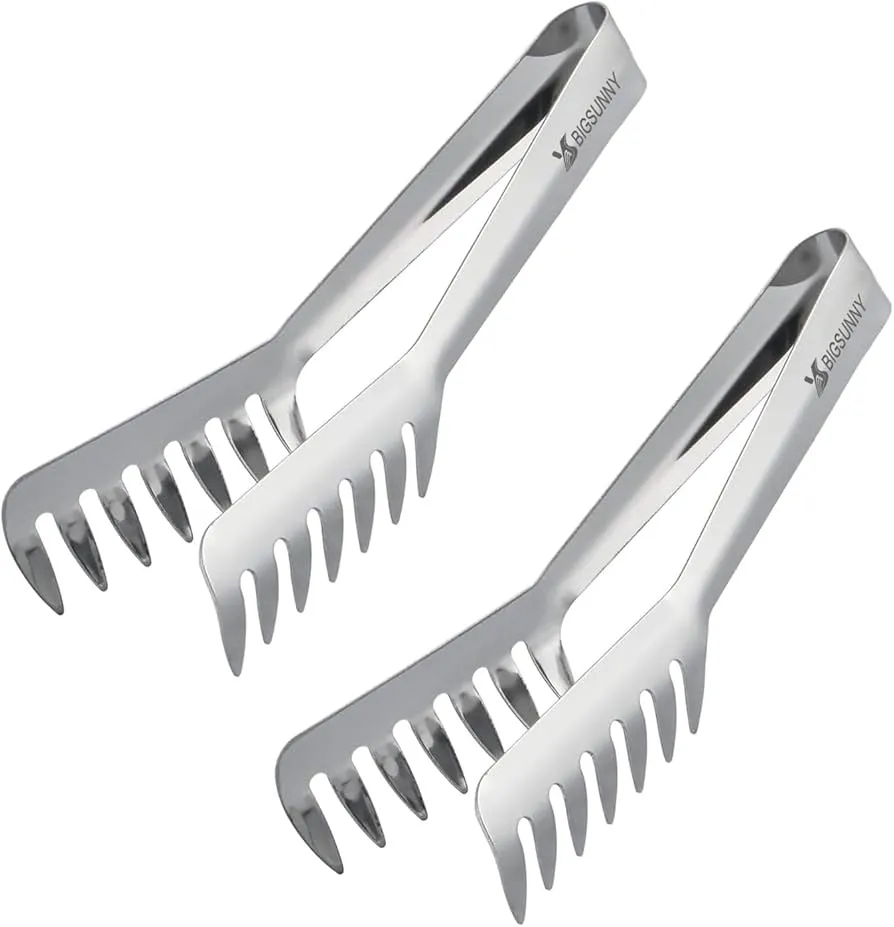
This is the most important step. Remove the pan from the heat. Add the egg and cheese mixture. Toss quickly using tongs. Slowly add 2–4 tablespoons of reserved pasta water, mixing constantly, until a silky, creamy sauce forms. The residual heat cooks the eggs gently without scrambling them.
If the sauce becomes too thick, add a little more pasta water until the sauce is smooth and glossy.
Serve immediately and finish with: Extra-grated Pecorino Romano, freshly ground black pepper.
Never add cream. Use authentic Pecorino Romano. Mix the sauce off the heat. Use starchy pasta water to emulsify. Serve immediately for the best texture.
 Serving:
4
Serving:
4
 by Chef Marvin Piña
30 min.
Medium
Medium
by Chef Marvin Piña
30 min.
Medium
Medium
Spaghetti carbonara is one of the most iconic pasta dishes from Rome, Italy. The authentic recipe is surprisingly simple and uses only a few ingredients. Contrary to many modern versions, traditional carbonara does NOT contain cream. The creamy texture comes from the emulsification of eggs, Pecorino Romano cheese, pasta starch, and guanciale fat.
30 min.
Medium
Medium
Spaghetti carbonara is one of the most iconic pasta dishes from Rome, Italy. The authentic recipe is surprisingly simple and uses only a few ingredients. Contrary to many modern versions, traditional carbonara does NOT contain cream. The creamy texture comes from the emulsification of eggs, Pecorino Romano cheese, pasta starch, and guanciale fat.
Spaghetti
(400 g) spaghetti
Guanciale
(150 g) guanciale, cut into small strips or cubes (pancetta may be used as a substitute if guanciale is unavailable)
Egg yolk
4 egg yolks
Egg
1 whole egg
Pecorino romano cheese
(120 g) Pecorino Romano cheese, finely grated
Ground black pepper
1 teaspoon freshly ground black pepper
Salt
Salt for the pasta water
30 min.
Fill a large pot with about 4 liters of water. Add 1 tablespoon of salt. Bring the water to a rolling boil. The water should taste slightly salty like the sea.
Cut the guanciale into small strips or cubes. Place it in a cold skillet. Cook over medium heat for 5–7 minutes. The guanciale should: Render its fat, become golden, and crispy. No oil is needed because the fat from the guanciale will render naturally. Remove from heat once crispy.
Add the spaghetti to the boiling water. Cook until al dente, about 1 minute less than the package instructions. Before draining, reserve 1 cup of pasta water. This starchy water will help create the sauce.
In a mixing bowl, add 4 egg yolks and 1 whole egg. Add the grated Pecorino Romano cheese. Add the black pepper. Mix until a thick creamy paste forms.
Return the skillet with the guanciale to low heat. Add the drained spaghetti. Toss to coat the pasta with the rendered guanciale fat.
This is the most important step. Remove the pan from the heat. Add the egg and cheese mixture. Toss quickly using tongs. Slowly add 2–4 tablespoons of reserved pasta water, mixing constantly, until a silky, creamy sauce forms. The residual heat cooks the eggs gently without scrambling them.
If the sauce becomes too thick, add a little more pasta water until the sauce is smooth and glossy.
Serve immediately and finish with: Extra-grated Pecorino Romano, freshly ground black pepper.
Never add cream. Use authentic Pecorino Romano. Mix the sauce off the heat. Use starchy pasta water to emulsify. Serve immediately for the best texture.
Serving:
4


_32_11zon.webp)